
Introduction
In today’s rapidly evolving world, housing solutions must adapt to meet the needs of a diverse and dynamic population. As urbanization accelerates and the demand for affordable living options grows, flat pack container houses have emerged as a practical solution that combines ease of assembly with maximum functionality. These innovative structures offer a versatile approach to housing, catering to various applications, from temporary shelters to permanent residences. This article explores the concept of flat pack container houses, their benefits, design innovations, and the future of this burgeoning trend in modern construction.
Understanding Flat Pack Container Houses
What Are Flat Pack Container Houses?
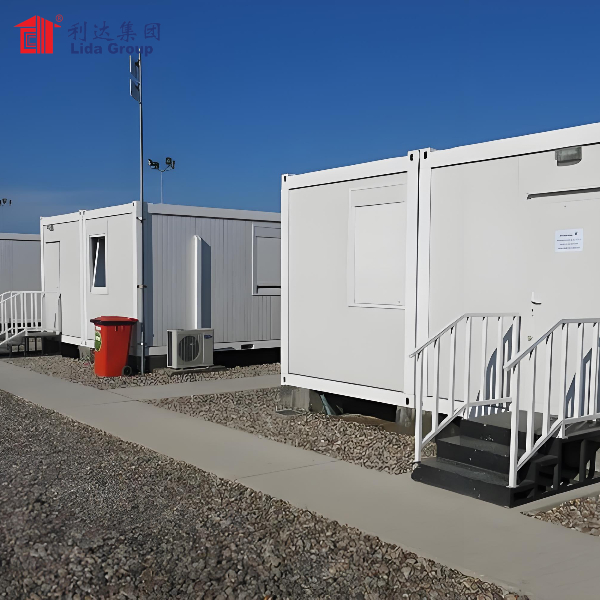
Flat pack container houses are prefabricated structures designed for easy assembly on-site. Made from repurposed shipping containers or purpose-built modular units, these houses are delivered to the construction site in a flat-pack format, significantly reducing transportation costs and enabling quick setup. The design allows for customization, ensuring that each unit can meet the specific needs of its occupants.
The Concept of Modular Construction
Modular construction is at the heart of flat pack container houses:
- Interchangeable Units: These houses consist of individual modules that can be combined or arranged in various configurations to create larger living spaces.
- Efficient Transport: Flat pack designs minimize the volume of materials transported, allowing for cost-effective logistics and reduced environmental impact.
The Rise of Flat Pack Container Houses
Historical Context
The concept of using shipping containers as housing solutions gained momentum in the early 2000s, driven by the need for affordable, durable, and sustainable living options. As global challenges such as climate change, urbanization, and housing shortages became more pronounced, flat pack container houses emerged as a viable response to these issues.
Key Drivers of Popularity
Several factors have contributed to the growing popularity of flat pack container houses:
- Affordability: These structures are often more cost-effective than traditional homes, making them accessible to a broader audience.
- Speed of Construction: The prefabricated nature of flat pack container houses allows for rapid assembly, significantly reducing the time from planning to occupancy.
- Sustainability: Utilizing repurposed materials and efficient construction practices aligns with growing environmental concerns.
- Flexibility: The modular design enables easy customization and expansion, adapting to diverse living needs.
Benefits of Flat Pack Container Houses
1. Cost-Effectiveness
Flat pack container houses offer significant financial advantages:
- Lower Initial Costs: The use of prefabricated materials reduces construction costs, making these houses an affordable option for individuals and families.
- Reduced Labor Expenses: The straightforward assembly process requires fewer labor hours, resulting in lower overall project costs.
2. Quick Assembly
One of the standout features of flat pack container houses is their rapid deployment:
- Fast Setup: These units can be assembled on-site within days, allowing occupants to move in quickly.
- Minimal Disruption: The efficient construction process minimizes disturbances to the surrounding environment and community.
3. Sustainability
Sustainability is a crucial consideration in modern housing, and flat pack container houses excel in this area:
- Recycling and Upcycling: By repurposing shipping containers, these homes contribute to waste reduction and promote a circular economy.
- Energy Efficiency: Many designs incorporate energy-efficient features, such as high-quality insulation and solar panels, reducing the carbon footprint of occupants.
4. Customization and Flexibility
Flat pack container houses can be tailored to meet the specific needs of occupants:
- Variety of Designs: Clients can choose from various layouts, finishes, and features, ensuring that their home reflects their personal style and requirements.
- Expandable Options: As families grow or needs change, additional modules can be added to increase living space.
5. Mobility
The transportability of flat pack container houses offers unique advantages:
- Relocatable Units: These structures can be easily disassembled and transported to new locations, making them ideal for transient populations or temporary housing needs.
- Adaptability: The ability to relocate container houses allows communities to respond effectively to changing circumstances, such as economic shifts or natural disasters.
Design Innovations in Flat Pack Container Houses
1. Aesthetic Enhancements
Modern flat pack container houses challenge the perception of shipping containers as utilitarian structures:
- Architectural Creativity: Innovative designs and finishes can transform container houses into stylish and visually appealing homes.
- Landscaping Integration: Thoughtful landscaping and outdoor spaces enhance the overall aesthetic and livability of container houses.
2. Smart Technology Integration
The integration of smart technologies is revolutionizing the functionality of flat pack container houses:
- Home Automation: Many units can be equipped with smart home systems, allowing residents to control lighting, heating, and security remotely.
- Energy Management: Smart technologies can monitor and optimize energy consumption, promoting efficiency and sustainability.
3. Sustainable Materials and Practices
Sustainability is a core principle guiding the design of flat pack container houses:
- Eco-Friendly Materials: Many builders prioritize the use of sustainable materials, such as reclaimed wood and low-VOC paints, to enhance the environmental benefits of these homes.
- Green Roofs: Incorporating green roofs can improve insulation, reduce stormwater runoff, and promote biodiversity.
4. Community-Centric Designs
Design innovations also focus on fostering community and social interaction:
- Shared Spaces: Many flat pack container developments include communal areas, encouraging residents to connect and collaborate.
- Urban Gardens: Integrating gardens and green spaces into container communities promotes sustainability and enhances quality of life.
Applications of Flat Pack Container Houses
1. Affordable Housing
Flat pack container houses are an attractive solution for affordable housing initiatives:
- Social Housing Projects: Governments and non-profits can utilize these structures to provide low-cost housing options for underserved populations.
- Transitional Housing: Container houses can serve as temporary accommodations for individuals experiencing homelessness or displacement.
2. Disaster Relief
In times of crisis, flat pack container houses can be deployed quickly to provide shelter:
- Emergency Housing: Following natural disasters, these units can be assembled rapidly to house displaced individuals and families.
- Long-Term Solutions: As communities recover, flat pack container houses can transition from temporary shelters to permanent residences.
3. Remote Work Camps
For industries operating in remote locations, flat pack container houses offer essential accommodations:
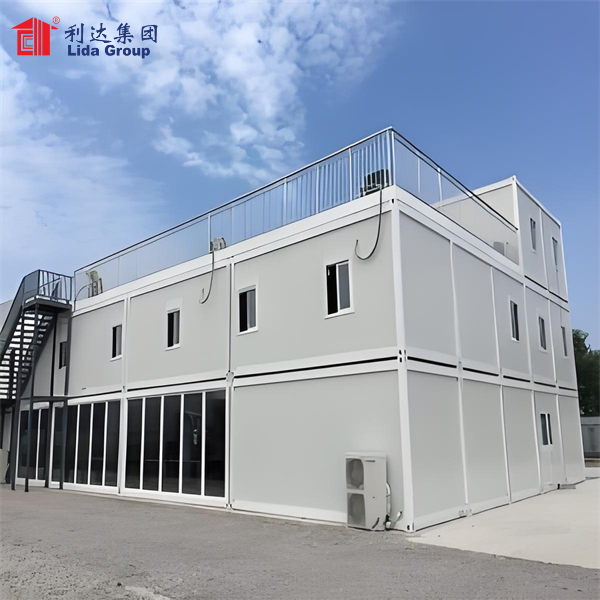
- Worker Camps: These structures provide comfortable living spaces for employees in sectors such as mining, oil, and gas.
- Mobile Offices: Container houses can be adapted to serve as mobile offices or meeting spaces, enhancing productivity in remote work environments.
4. Recreational Use
Flat pack container houses can also cater to recreational needs:
- Glamping: Stylish container designs can attract tourists seeking unique and eco-friendly accommodations in natural settings.
- Event Spaces: Container houses can be repurposed for events, such as weddings or corporate retreats, providing distinctive venues.
Overcoming Challenges in Flat Pack Container House Implementation
1. Regulatory Compliance
Navigating building codes and regulations can be a challenge for flat pack container houses. To overcome this, builders and developers must:
- Conduct Research: Thoroughly researching local regulations ensures compliance and smooth project execution.
- Engage with Authorities: Collaborating with local governments early in the planning process can facilitate approvals and permits.
2. Public Perception
Public perception can pose a barrier to the widespread adoption of flat pack container houses:
- Addressing Misconceptions: Educational initiatives can help dispel myths about container housing and highlight its benefits.
- Showcasing Successful Projects: Highlighting successful implementations can build trust and enthusiasm among potential residents and stakeholders.
3. Environmental Considerations
While container houses are generally more sustainable than traditional homes, there are still environmental concerns to address:
- Material Sourcing: Ensuring that all materials used in construction are sustainably sourced is essential for maximizing environmental benefits.
- Waste Management: Implementing practices to manage waste generated during construction and throughout the lifespan of container houses is crucial for sustainability.
The Future of Flat Pack Container Houses
1. Technological Advancements
As technology continues to evolve, flat pack container houses will likely benefit from advancements in design and construction:
- 3D Printing: The integration of 3D printing technology can streamline the construction process and enhance customization options.
- Smart Home Innovations: Continued development in smart home technologies will further enhance the functionality and efficiency of container houses.
2. Expanding Market Opportunities
The growing awareness of the benefits of flat pack container houses is likely to lead to expanded market opportunities:
- Urban Development: As cities face housing shortages, container houses may provide an affordable and efficient solution for urban living.
- Global Adoption: Developing countries facing housing crises may turn to flat pack container houses as a cost-effective and sustainable solution.
3. Community and Social Impact
The potential for flat pack container houses to foster community engagement and social interaction will likely drive future developments:
- Collaborative Living Spaces: Future projects may focus on creating collaborative living environments that promote social interaction and community building.
- Support for Vulnerable Populations: As awareness of social issues grows, flat pack container houses can serve as a crucial tool for addressing homelessness and housing insecurity.
Conclusion
Flat pack container houses represent a transformative approach to modern housing, combining ease of assembly with maximum functionality. With their affordability, rapid deployment, and sustainable design, these structures offer a practical solution for various applications, from affordable housing to disaster relief.
As the demand for innovative housing solutions continues to rise, flat pack container houses are poised to play a significant role in shaping the future of urban living. By addressing the challenges of regulatory compliance, public perception, and environmental considerations, this housing model can thrive and expand.
In a world where adaptability and sustainability are paramount, flat pack container houses stand out as a versatile and effective solution for modern living. Embracing this innovative approach will be essential for creating resilient, inclusive, and sustainable communities that meet the needs of diverse populations for years to come.
Contact Us
Post time: Oct-17-2024